 Every time I listen to Belle & Sebastian, I’m overcome by this feeling that I never need to listen to anything else.
It’s a quality of their music that doesn’t just strike a nerve but grabs hold of a nerve and strums it like an upright bass.
Every time I listen to Belle & Sebastian, I’m overcome by this feeling that I never need to listen to anything else.
It’s a quality of their music that doesn’t just strike a nerve but grabs hold of a nerve and strums it like an upright bass.
 One guess which musical genome category The Smiths fall into. That’s right, boys and girls, we have another ‘Melancholy’ sighting!
I can also make a strong case for the ‘Pure Pop’ category. Those who are only passingly familiar with the band’s discography might associate them only with self-pitying mope rock and remain unaware of guitarist Johnny Marr’s peerless knack for shimmering pop hooks.
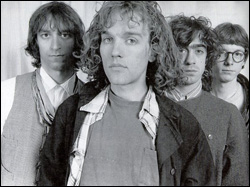 R.E.M. is best known as one of the forefathers of the alternative music genre, but in terms of sound I place them squarely in the folk rock tradition. Particularly on their early albums, you can trace Peter Buck’s guitar work straight back to The Byrds.
The band evolved into more of a rock sound — even grunge on 1994’s Monster and parts of subsequent albums — and also found success with the pop style (particularly on Green and Out of Time).
 The final week of the genome project kicks off without any of the complexity of last Friday’s focus, Elvis Costello.
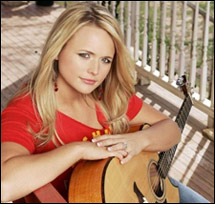
Miranda Lambert doesn’t blend genres and influences — she’s a country girl, through and through. ‘Country Plus,’ to use my designation, and she earns the ‘plus’ through the songwriting and performing chops that have lifted her to the top of the charts and onto countless critics’ best-of lists.
 Well, going from Bob Dylan to Bruce Springsteen isn’t exactly the sort of wild surprise I was calling for in yesterday’s post, but it will do.
‘Working On a Dream’ is the title track from Springsteen’s 2009 album, one of three great records The Boss has released over the past six years (the others being Magic and this year’s Wrecking Ball). If you go back two more years, you can throw Devils & Dust and We Shall Overcome: The Pete Seeger Sessions into the mix.
Five excellent albums in eight years, all recorded during his mid-50s to mid-60s.

