Song of the Day #1,704: ‘Wasted Hours’ – Arcade Fire

suburbsWe’re in the home stretch of what has been an excruciating three weeks for Dana but, in my imagination at least, a fascinating exploration of a modern classic for scores of lurking readers.

‘Wasted Hours,’ the eleventh track on Arcade Fire’s The Suburbs, pretty much encapsulates the album’s theme. It describes adolescence as the “wasted hours before we know where to go and what to do.”

Continue reading →

Song of the Day #1,703: ‘Either Way’ – Wilco

wilco_sky_blue_skyI lost track of Wilco after 2002’s excellent Yankee Hotel Foxtrot. That album, with its eerily prescient 9/11 echoes (it was recorded before September 11, but released afterward), is compelling and emotional in ways I usually associate more with film than music.

Its follow-up, 2004’s A Ghost is Born, had all of the sonic experimentation but none of the soul. It sounded like the band trying to repeat itself.

Continue reading →

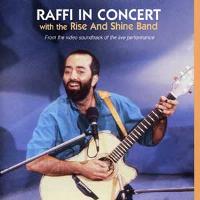
Song of the Day #1,702: ‘Day O’ – Raffi

raffi_liveWhen I first started the Random Weekend series over a year ago (on January 21, 2012, to be exact), I had one fear: What if I wound up with a bunch of Raffi songs?

I have nothing against Raffi, whose live album got a fair amount of attention from my daughters in their early childhood. He and fellow child entertainer Laurie Berkner are admirable talents. But I didn’t want the blog to turn into an episode of Sprout every weekend.

Continue reading →

Song of the Day #1,701: ‘Month of May’ – Arcade Fire

suburbsTrack 10 on Arcade Fire’s The Suburbs, ‘Month of May,’ feels like a cigarette break from all of the moody foreboding of the rest of the album. Maybe not a cigarette, maybe a shot.

This is a pulsating punk tune that feels a bit out of place on the album, musically, though lyrically it hits on many of the same themes.

Win Butler writes about the city being hit from above and describes a violent wind that “blew the wires away.” He could be describing an actual storm but this also sounds like more fallout from that metaphoric suburban war he’s been describing.

Continue reading →