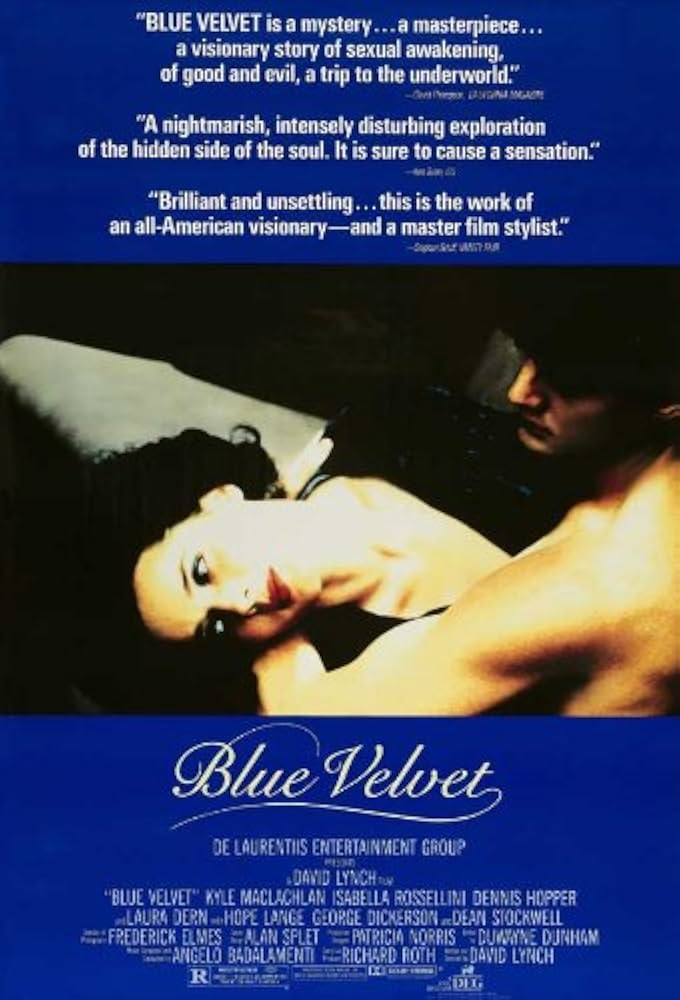
 The failure of Dune knocked David Lynch down quite a few pegs, and the budget of his next film was a meager $6 million, a far cry from the $40 million he spent on the sci-fi bomb.
“I was down so far that anything was up,” he said about his time in the cinematic doghouse. “So it was just a euphoria. And when you work with that kind of feeling, you can take chances. You can experiment.”
That experiment took the form of a story that had been percolating in Lynch’s brain for more than a decade, a seedy tale of suburban America’s dark underbelly. And with 1986’s Blue Velvet, he delivered an unsettling triumph that embodied the term Lynchian.


 Meet Me In Montauk